
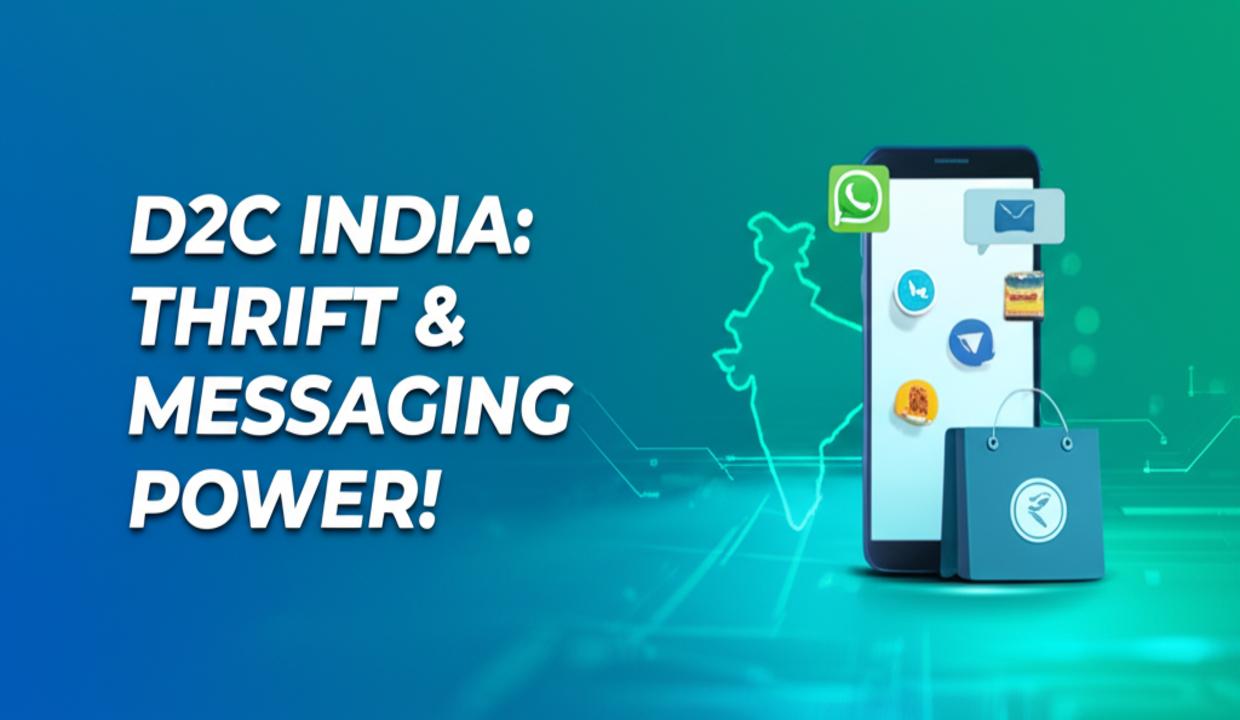
The landscape of e-commerce in India is undergoing a significant transformation. At its forefront are D2C brands India, demonstrating remarkable agility and innovation. These brands are not just selling directly; they are upgrading their entire operational and engagement models.
This article delves into how Indian D2C enterprises are strategically integrating two powerful forces: the growing preference for thrift consumer habits and the pervasive reach of messaging apps. It’s a fascinating blend of cost-efficiency and personalized connection, defining the future of retail in the subcontinent.
The Evolution of D2C Brands in India: A 2025 Outlook
Indian D2C brands are rapidly advancing in 2025, driven by a keen understanding of their evolving customer base. This “upgrade” reflects a sophisticated approach to customer interaction, logistics, and marketing. They are optimizing their strategies to align with increasing digital penetration and shifting consumer preferences, especially regarding value.
The move away from traditional retail channels allows these brands unparalleled control over their narrative and product delivery. This direct connection fosters trust and enables rapid adaptation to market dynamics. It’s a testament to the entrepreneurial spirit thriving in India’s digital economy, influencing D2C growth strategies across sectors.
For a comprehensive look at the market, explore some of the best D2C brands in India for 2025, showcasing their diverse approaches and successes. This direct model is reshaping how products reach consumers, prioritizing efficiency and personalization above all else.
Embracing Thrift: The New Consumer Paradigm in India
Indian consumers are increasingly exhibiting a thrift-oriented behavior, seeking affordability without compromising on quality. This isn’t just about cheap products; it’s about smart spending and perceived value. Many D2C brands India are successfully tapping into this desire.
They achieve this by offering transparent pricing, innovative bundle deals, and cost-effective product subscriptions directly via their platforms. By bypassing intermediaries, brands can keep costs lower, passing savings to the customer. This approach resonates deeply with India’s large, price-sensitive yet quality-conscious customer base.
This strategic pivot positions D2C brands India to meet the needs of a wider demographic, particularly those who value every rupee. It fosters long-term customer relationships built on trust and mutual benefit, making thrift apps D2C integration an increasingly vital consideration for modern brands.
Messaging Apps: The Powerhouse for D2C Engagement and Sales
One of the most impactful shifts for D2C brands India is the widespread adoption of messaging platforms. Leading brands now extensively use apps like WhatsApp and Telegram to deepen customer engagement and streamline sales. This trend is central to D2C growth strategies.
These apps facilitate one-on-one communication, offering personalized product recommendations tailored to individual preferences. Brands can provide real-time customer support, addressing queries instantly and efficiently. Crucially, direct checkout links within these conversations make purchasing incredibly convenient.
This conversational commerce approach builds strong communities around brands, fostering loyalty and trust. It significantly enhances repeat purchase rates, which is essential for scalable growth in the competitive ecommerce growth India landscape. This personalized interaction makes messaging apps for D2C indispensable tools.
Localisation and Mobile-First: Key to India’s Digital Heartland
The sheer scale of smartphone users in India necessitates a mobile-first approach. Platforms like Shopify empower Indian D2C companies to create localized storefronts with vernacular content. This ensures a seamless and culturally relevant user experience (UX) for millions of potential customers.
This localization strategy directly supports thrift buyers D2C who are often searching for relevant deals and content in their native languages. It nurtures direct brand relationships through tailored digital pipelines. Analytics on consumer behavior further refine these personalized experiences, driving ecommerce growth India.
Such efforts in scaling with localized stores are paramount. They allow brands to connect authentically with consumers, understanding regional nuances and preferences. This builds a foundation of trust that transcends mere transactions, leading to lasting brand loyalty.
Beyond Digital: Omnichannel Strategies for Trust and Loyalty
While digital channels form the backbone of D2C brands India, some leading players are intelligently integrating physical touchpoints. Pop-up stores and experience centers offer a tangible interaction with products. This is particularly appealing to thriftier shoppers who may prefer inspecting items before purchasing.
These physical interactions enhance trust and reinforce brand loyalty, bridging the gap between online convenience and offline assurance. It acknowledges that even in a digitally-driven market, a holistic approach can significantly boost consumer confidence and engagement. This blend is a smart D2C growth strategy.
By offering multiple avenues for engagement, brands cater to diverse consumer preferences, ensuring no potential customer is left behind. This omnichannel integration makes the brand experience richer and more accessible. It’s about building a consistent and trustworthy presence across all consumer touchpoints.
Success Stories: Indian D2C Brands Leading the Charge
Several brands exemplify this D2C upgrade in India. boAt, a leader in audio electronics, has mastered direct consumer engagement and affordable quality. Mamaearth, known for its natural personal care products, built a loyal community through transparent messaging and value-driven offerings.
The Man Company has similarly excelled by focusing on a niche market with direct, personalized communication and quality products. These brands employ efficient digital tools, localized messaging, and thrift-friendly pricing while maintaining strong direct communication. Their achievements are fueling ecommerce growth India.
These enterprises showcase how strategic adaptation to consumer needs, coupled with digital prowess, leads to rapid growth and customer loyalty in 2025. Their journeys offer invaluable insights into top D2C success stories and best practices for aspiring brands.
The Growing Landscape: Indian D2C Market Size and Future Projections
The Indian D2C market is poised for explosive growth. It is slated to reach approximately $100 billion by the end of 2025. Projections further suggest a staggering growth to $300 billion by 2030. This phenomenal expansion is fueled by several factors.
Increasing internet access across the country is a primary driver. A burgeoning digitally native middle class, coupled with a strong value for thrift and personalized engagement, contributes significantly. Messaging and direct channels are central to this growth, empowering D2C brands India to scale efficiently.
Understanding the sheer scale of the D2C e-commerce market size in India is crucial for investors and new entrants alike. It highlights the immense potential for businesses that can effectively blend quality, affordability, and direct consumer connection. The future is bright for this segment.
Watch More in This Video
For a current overview, a recent YouTube analysis (2025) on Indian D2C brands highlights how messaging apps like WhatsApp Business API integration and cost-conscious product bundles have become pivotal growth drivers for mid-sized brands upgrading their customer outreach and operational models, enabling agile, conversational commerce and data-driven marketing.
Key Growth Strategies for Indian D2C Brands in 2025
The strategic adaptation of D2C brands India to consumer cost-awareness and the potency of direct, personalized digital engagement is profound. This model empowers brands to deepen consumer trust, optimize costs, and scale rapidly in a highly competitive market. It’s a holistic approach to ecommerce growth India.
- Direct-to-Consumer Advantage: Eliminates intermediaries, ensuring better control over pricing and customer experience, which directly appeals to thrift buyers D2C.
- Personalized Engagement: Leveraging messaging apps for D2C allows for one-on-one interactions, tailored recommendations, and real-time support, building stronger customer bonds.
- Cost Optimization: Direct sales reduce overheads, enabling competitive pricing strategies and attractive bundle deals. This is key for appealing to the thrift-oriented consumer.
- Data-Driven Decisions: Direct customer interactions provide invaluable insights into preferences and behavior, allowing for agile product development and marketing adjustments.
- Scalability and Reach: Digital platforms, combined with localized content, allow brands to reach a vast audience across India efficiently. This accelerates D2C growth strategies.
These core elements form the bedrock for sustainable success. They also reflect broader emerging D2C trends globally, highlighting India’s position at the forefront of this e-commerce revolution. The #D2CRevolution is truly underway.
Frequently Asked Questions About Indian D2C Growth
- How are D2C brands in India addressing price sensitivity?
Indian D2C brands tackle price sensitivity by cutting out intermediaries, enabling lower, more transparent pricing. They often offer bundle deals, subscription models, and direct sales, aligning with the growing thrift-oriented consumer behavior. This allows them to deliver quality products at competitive rates directly. - What role do messaging apps play in D2C success in India?
Messaging apps like WhatsApp and Telegram are crucial for D2C brands in India. They facilitate personalized communication, real-time customer support, direct product recommendations, and even checkout links. This conversational commerce builds trust, enhances engagement, and significantly boosts repeat purchases, contributing to ecommerce growth India. - Are Indian D2C brands only focused on online sales?
While primarily digital, many leading Indian D2C brands are adopting omnichannel strategies. This includes integrating physical touchpoints such as pop-up stores or experience centers. These physical spaces help build trust, especially for thriftier shoppers who prefer inspecting products before purchase, enhancing overall brand loyalty. - What is the projected growth for the Indian D2C market?
The Indian D2C market is projected to reach approximately $100 billion by the end of 2025. Long-term forecasts estimate it could grow to a substantial $300 billion by 2030. This rapid expansion is primarily driven by increasing internet penetration and a digitally savvy middle class.
Conclusion: Charting a Smart Path for D2C Brands in India
The journey of D2C brands India is a powerful narrative of strategic adaptation and innovation. By keenly observing and responding to consumer preferences for value and personalized engagement, these brands are setting new benchmarks.
The intelligent integration of thrift-oriented consumer habits with the ubiquitous power of messaging apps is not just a trend; it’s a fundamental upgrade to their operational models. This dual approach fosters deeper consumer trust, optimizes costs, and facilitates agile scaling in India’s highly competitive market.
As the digital landscape continues to evolve, Indian D2C brands stand as a beacon of smart growth, leveraging technology and consumer insights to build lasting relationships and achieve unprecedented success. We encourage you to explore more about these exciting developments on our About Us page or Contact us for insights.
Disclaimer: All images and videos are sourced from public platforms like Google and YouTube. If any content belongs to you and you want credit or removal, please inform us via our contact page.