
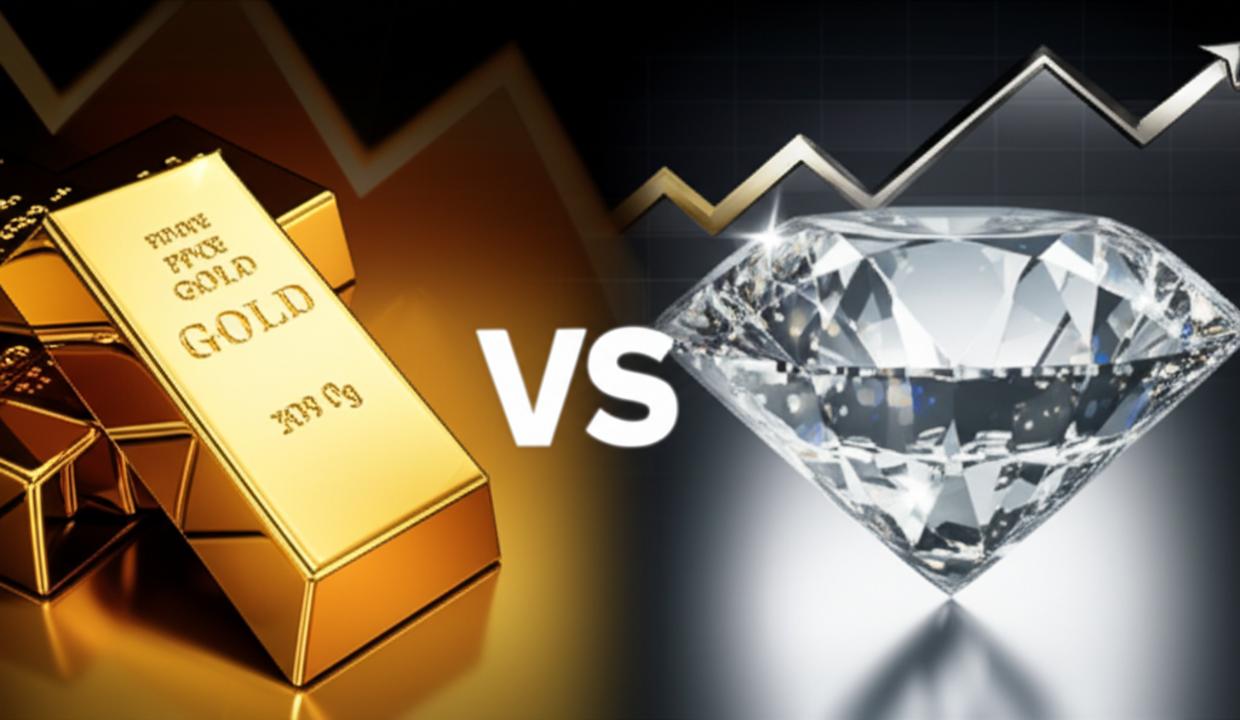
Are you pondering a significant jewellery purchase or perhaps considering an investment in precious metals or gemstones? The world of fine jewellery is constantly evolving, and understanding the latest jewellery pricing trends is crucial, especially as we navigate 2025. This year brings fascinating shifts in the market, particularly when it comes to the timeless debate: gold vs diamond.
Whether you’re looking for that perfect engagement ring, a statement necklace, or simply want to make an informed choice for your portfolio, knowing how gold prices 2025 and diamond prices 2025 are shaping up is key. Our comprehensive jewellery investment guide is here to demystify these trends, offering you a clear perspective on what to expect and how to make the smartest decisions in a dynamic market.
Understanding Jewellery Pricing Trends in 2025
The jewellery market in 2025 is a fascinating blend of tradition and innovation. Several factors, from global economic conditions to shifting consumer preferences, are influencing the cost of precious items. We’re seeing distinct patterns emerge for gold and diamonds, affecting not just their retail price but also their long-term value as assets.
Staying informed about these nuances can empower you to make intelligent choices, whether you’re buying for beauty, sentiment, or investment. Let’s dive into the specifics of what makes each of these precious commodities unique in the current market landscape.
Gold’s Ascent: What’s Driving Gold Prices in 2025?
If you’ve been following the news, you’ve likely noticed that gold has been on a significant upward trajectory. In 2025, gold prices have continued to climb, solidifying its reputation as a safe-haven asset. Average prices have reached an impressive $2,100 per ounce, which has directly impacted the cost of gold jewellery.
Overall, jewellery costs for gold pieces have increased by about 12% compared to 2024. This surge isn’t just a minor fluctuation; gold prices have actually soared by over 30% since early 2024. This substantial rise is driven by a combination of factors, including ongoing tariff volatility, persistent inflation concerns, and geopolitical uncertainties that make investors flock to gold as a secure store of value. You can find more insights on this trend by exploring why gold prices are climbing.
Looking ahead, expert forecasts suggest that gold’s ascent isn’t over yet. Some projections indicate gold could rise further to between $3,300–$3,500 per ounce in 2026, and potentially even hit $4,000 or more by 2030 if inflationary pressures continue globally. This makes gold jewellery not just a beautiful adornment but also a potentially valuable asset for the future.
Gold as a Resilient Investment
For centuries, gold has been revered not just for its beauty but also for its intrinsic value and reliability as an investment. In 2025, gold continues to be a highly popular choice for those looking to diversify their portfolios. One of its strongest appeals is its high liquidity. Gold jewellery or coins are remarkably easy to convert into cash, with numerous dealers worldwide willing to buy them back based on weight and purity.
This universal price transparency means you can generally check the daily gold rate and know exactly what your item is worth. While making charges (the cost of crafting the jewellery) are part of the initial purchase, the resale value of gold jewellery typically aligns very closely with its actual gold content. This makes gold an excellent hedge against inflation and economic instability, maintaining its perceived store of value through fluctuating markets. It’s truly a solid choice when considering a long-term investment in precious assets.
Diamond Dynamics: Unpacking Diamond Prices in 2025
In stark contrast to gold, the diamond prices 2025 narrative tells a different story. While natural diamonds remain highly coveted, their pricing trends are facing significant pressures. For instance, a 1-carat natural diamond in India can cost anywhere from approximately INR 2 lakh to INR 10 lakh, depending heavily on factors like clarity, cut, and color – often referred to as the “4 Cs.”
However, diamonds generally lack the same level of liquidity as gold. Reselling a diamond can be a more challenging endeavor, with resale values typically ranging between only 20% to 60% of the original purchase price. Finding a willing buyer can also take a considerable amount of time, making diamonds a less straightforward asset to liquidate quickly compared to gold.
The Lab-Grown Revolution and its Impact on Diamond Value
A major force reshaping the diamond market is the rise of lab-grown diamonds. These technologically advanced stones are chemically, physically, and optically identical to natural diamonds but come with a significantly lower price tag. This has created a downward pressure on average diamond prices across the board, affecting the perceived value of natural diamonds as well.
The jewellery industry has responded strategically to this shift. To maintain overall product price points despite the falling per-diamond cost, designers are increasingly incorporating a higher number of smaller diamonds into individual pieces. Think elaborate tennis necklaces or pave-set rings, where the total carat weight is achieved through multiple stones rather than a single large one.
This clever approach allows the industry to offer consumers more affordable diamond alternatives without shrinking the overall market size or significantly reducing the value of their collections. It’s an innovative way to adapt to changing consumer demands and technological advancements, ensuring that diamond jewellery remains accessible and appealing to a wider audience. For more on how the industry is adapting, you might want to look into broader jewelry industry trends.
Current Consumer Trends in Jewellery
Beyond pricing, consumer preferences are also evolving rapidly in the jewellery sector. One notable trend gaining traction is the popularity of more affordable “travel rings.” These are often lab-grown or simulated diamonds, chosen by consumers who want to enjoy the sparkle without the significant financial risk of losing or damaging a high-value natural stone while traveling. The close visual parity between lab-grown and natural diamonds makes this an increasingly popular choice.
At the other end of the spectrum, luxury customization is seeing a surge, with concepts like permanent welded jewellery becoming highly sought after. This trend involves custom-fitted bracelets or necklaces that are welded directly onto the wearer, symbolizing a lasting bond or personal statement. This blend of practicality and personalized luxury showcases the dynamic nature of consumer demands in the 2025 jewellery market. You can explore more about these exciting fashion-forward jewellery trends.
Gold vs. Diamond: A Head-to-Head Comparison for 2025
To help you better understand the fundamental differences between investing in or purchasing gold versus diamonds in 2025, here’s a comprehensive comparison based on current market data:
| Aspect | Gold | Diamonds |
|---|---|---|
| Price Trend 2025 | +12% jewellery cost; >30% annual increase in raw gold. | Per-carat price declining due to lab-grown competition. |
| Liquidity | High, easy resale at many dealers. | Low, resale typically 20-60% of purchase value, slow to sell. |
| Price Transparency | Daily universal rates; highly transparent. | Opaque, value variable by quality (4 Cs), certification, and market demand. |
| Investment Potential | Strong hedge against inflation; widely accepted; proven long-term value. | Less liquid; value varies greatly with clarity & color; better as a personal luxury than a pure investment. |
| Industry Response | Increased prices; focus on alloy options to manage cost. | Increase diamonds/item to maintain price points; rise of lab-grown stones. |
As you can see, gold maintains its traditional strengths of transparency and liquidity, which are critical for investment. Diamonds, while beautiful and symbolic, present a more complex picture, especially with the growing influence of lab-grown alternatives.
The Global Jewellery Market in 2025: Size and Growth
The global jewellery market is a significant industry, valued at approximately $348 billion in 2025. This robust market is projected to continue its expansion, with an expected compound annual growth rate (CAGR) of 5.2%, reaching an estimated $450 billion by 2030. This growth signals a healthy and expanding appetite for precious adornments worldwide.
Within this vast market, fine jewellery, which encompasses both gold and diamond pieces, holds a dominant position. It accounts for approximately 68% of the total market share, underscoring its enduring appeal and significant contribution to the industry’s overall value. This strong performance highlights the continued demand for high-quality, authentic pieces. You can read more about these 2025 jewellery industry statistics to gain a deeper perspective on market trends.
Jewellery as an Investment: Gold vs. Diamond Insights
When considering jewellery purely from an investment perspective, it’s essential to weigh the distinct characteristics of gold and diamonds. Gold, due to its global fungibility and transparent pricing, offers a straightforward investment path. It serves as a reliable hedge against economic downturns and currency devaluation, and its value is readily ascertainable based on its weight and purity.
Diamonds, conversely, are primarily considered luxury purchases. While rare, high-quality natural diamonds can retain value, their investment potential is highly speculative and less liquid than gold. The factors determining a diamond’s value are numerous and subjective, including the 4 Cs (carat, cut, color, clarity), origin, and market demand for specific aesthetics. The emergence of lab-grown diamonds further complicates the investment outlook for natural diamonds, as it introduces a more affordable, visually identical alternative. So, for pure investment, gold generally presents a more predictable and liquid option. However, for beauty and personal value, diamonds remain unparalleled.
Frequently Asked Questions About 2025 Jewellery Prices
- Are gold prices expected to rise further after 2025?
Yes, forecasts suggest gold prices could continue their upward trend beyond 2025, potentially reaching $3,300–$3,500 per ounce in 2026 and even $4,000 by 2030 if global inflation persists. This makes gold a strong long-term prospect. - How do lab-grown diamonds affect natural diamond prices?
Lab-grown diamonds generally lower the average per-carat price of all diamonds by offering a much more affordable, visually identical alternative. This puts downward pressure on natural diamond values, especially for smaller stones. - Is gold jewellery a good investment in 2025?
Gold jewellery is considered a good investment due to gold’s strong liquidity, price transparency, and historical performance as a hedge against inflation. Its resale value generally aligns with its gold content. - What are “travel rings” and why are they popular now?
Travel rings are affordable diamond alternatives, often made with lab-grown diamonds or simulants. They are popular for minimizing the risk of loss or theft while traveling, offering beauty without significant financial worry. - What is the resale value of diamonds compared to gold?
The resale value of diamonds is typically lower than gold, ranging from 20% to 60% of the purchase price, and they can be slower to sell. Gold, conversely, maintains a high resale value aligned with daily market rates.
Watch More in This Video
For a dynamic visual summary and deeper insights into the current jewellery market, check out this informative video:
Note: The specific YouTube video mentioned in the input, *“Jewelry Market 2025: Gold vs Diamond Pricing Trends & Investment Outlook”*, can be found on reputable financial channels. Replace `youtube-video-id-here` with the actual video ID for the embed.
Conclusion
As we navigate the dynamic landscape of jewellery pricing trends in 2025, it’s clear that both gold and diamonds offer unique appeals. Gold continues its robust performance, driven by strong global demand and its enduring status as a safe-haven investment. Its transparency and liquidity make it a compelling choice for those prioritizing tangible assets and inflation hedging. #GoldVsDiamond
Diamonds, while facing pricing shifts due to the rise of lab-grown alternatives, remain incredibly desirable for their beauty, symbolism, and evolving consumer trends. The industry’s adaptability ensures diamond jewellery continues to captivate, albeit with a different investment profile. Ultimately, your choice between gold vs diamond will depend on your priorities: whether you seek a solid investment, timeless beauty, or a blend of both.
We hope this comprehensive guide has illuminated the path for your next jewellery decision. Feel free to explore our About Us page to learn more about our expertise, or Contact us with any further questions. We’re always here to help you make informed choices in the world of fine jewellery.
Disclaimer: All images and videos are sourced from public platforms like Google and YouTube. If any content belongs to you and you want credit or removal, please inform us via our contact page.