
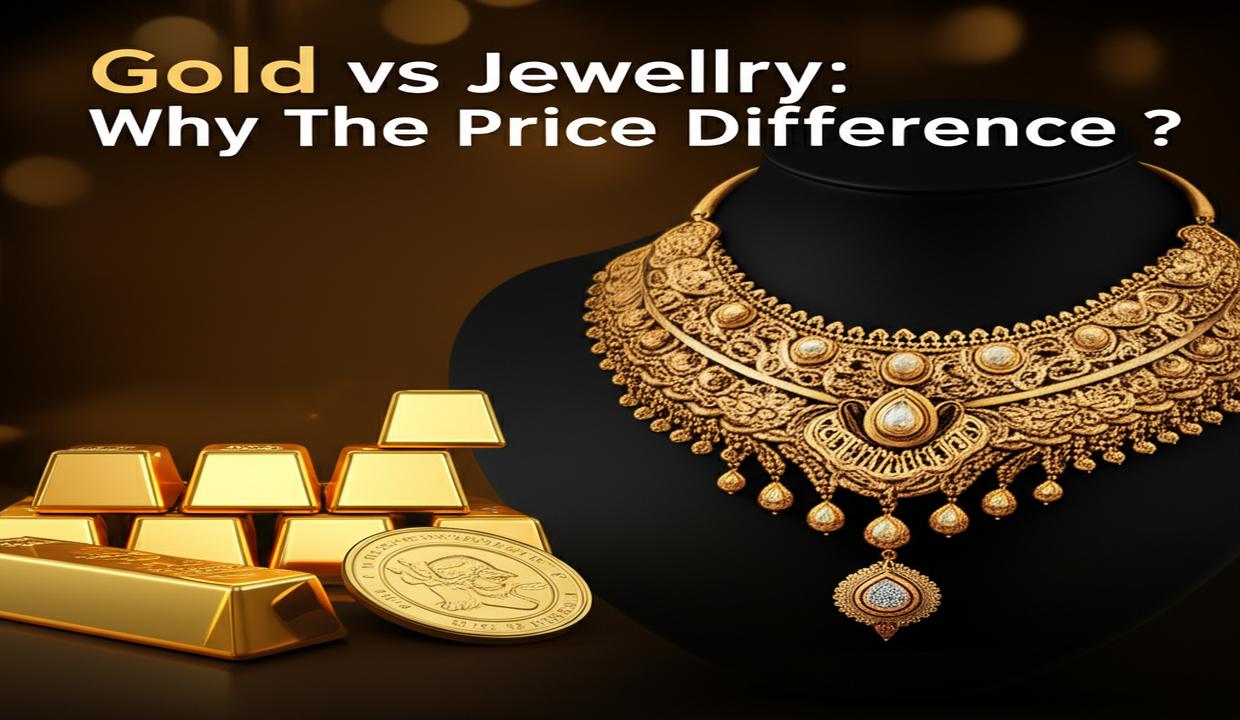
Have you ever wondered why a gleaming gold necklace might cost significantly more than a gold bar of the exact same weight? It is a question that puzzles many consumers navigating the glittering world of precious metals and adornments. The perceived value of gold, often considered a safe investment, seems straightforward, yet when it transforms into a piece of jewellery, its price tag often takes an unexpected leap.
This article delves into the fascinating dynamics of gold vs jewellery price differences, uncovering the myriad factors that contribute to these variations. We will explore everything from raw material purity to intricate craftsmanship, market demand, and even the emotional connection that elevates a simple metal into a cherished possession. Understanding these elements is key to making informed decisions, whether you are buying for investment or simply to dazzle.
Main Highlights: Gold vs Jewellery Fashion: What’s Driving Price Differences?
The price disparity between raw gold and finished gold jewellery is far more complex than a simple calculation of gold content. While the pure gold price depends mainly on weight and purity, jewellery prices are influenced by a blend of artistry, utility, and market forces. It is not just about the intrinsic value of the metal itself; it is about what has been done to that metal.
Several critical factors elevate the cost of jewellery beyond its gold weight. These include the laborious process of manufacturing, the unique design elements, the inclusion of other valuable materials like gemstones, and even the whims of fashion trends. Essentially, you are paying a premium for aesthetics and the skilled labor involved in transforming a commodity into a covetable item.
Key Factors Driving Price Differences
Understanding why jewellery is expensive compared to its raw gold counterpart requires a closer look at the specific elements that factor into its final cost. These are the hidden ingredients in the price tag that often surprise buyers. Let us break down the primary drivers contributing to this significant divergence in pricing.
Purity and Weight: The Foundation of Gold Value
At its core, the value of gold is directly tied to its purity and weight. Pure gold, typically 24-karat, is the most valuable per gram because it contains 99.9% pure gold. Investment gold, such as bullion bars or coins, is almost exclusively traded based on this high purity and precise weight. Its price fluctuates primarily with global market rates.
However, most gold jewellery is crafted from lower karat gold alloys, such as 18K or 14K gold. These alloys combine pure gold with other metals like copper, silver, or palladium to enhance durability, change color, or reduce cost. While still valuable, their gold content is proportionally less than 24K, which directly impacts their base metal price. Buyers need to be aware of the actual gold percentage when comparing jewellery prices.
Manufacturing and Craftsmanship: The Artistry Premium
This is arguably the most significant factor contributing to jewellery making charges. Unlike mass-produced gold bars or coins which have minimal manufacturing overheads, creating a piece of jewellery is a labor-intensive art. It requires highly skilled artisans to transform raw gold into intricate designs.
The process involves numerous stages: melting, alloying, casting, soldering, polishing, setting stones, and finishing. Each step demands precision, expertise, and time. The more complex the design, the more hours of skilled labor are involved, directly increasing the cost. This human touch, this artistry, is a substantial part of why a piece of jewellery commands a higher price.
You are not just paying for gold; you are investing in the hours of dedication and skill required to bring a design to life. This is especially true for bespoke or handcrafted pieces that require unique molds and intricate detailing. This craftsmanship component is often overlooked but is a vital aspect of the overall value proposition of jewellery.
Design and Materials: Beyond Just Gold
A piece of jewellery is rarely just gold. It often incorporates other precious materials that significantly add to its cost. Gemstones, whether diamonds, rubies, emeralds, or sapphires, are themselves valuable assets, and their inclusion inherently drives up the price. The quality, size, and rarity of these stones play a huge role in the final valuation.
Furthermore, the specific alloy used for the gold itself can influence the price. For instance, white gold, often an alloy of gold and palladium or nickel, might undergo a rhodium plating process to achieve its bright, silvery luster. This additional plating, though thin, incurs extra cost and maintenance. You can learn more about how specific gold types affect pricing from resources like why white gold can be more expensive than yellow gold.
The uniqueness and complexity of the design also play a crucial role. A custom-designed, one-of-a-kind piece will naturally be more expensive than a mass-produced item. Brand names, particularly those with a reputation for exclusive designs and high quality, often command a premium due to their legacy, marketing efforts, and assurance of authenticity.
Market Demand and Fashion Trends: The Influence of Desirability
Just like any other consumer product, jewellery is subject to the whims of market demand and fashion trends. Certain styles or types of jewellery become popular during specific seasons, festivals, or cultural events, leading to increased demand and, consequently, higher prices. For instance, traditional gold jewellery sees a surge in demand during wedding seasons or religious festivals.
Fashion trends also dictate preferences, whether it is for the classic allure of yellow gold, the modern sophistication of white gold, or the romantic blush of rose gold. When a particular type of gold or design gains popularity, its desirability increases, allowing retailers to charge more. This fluctuating demand directly impacts the retail price of finished pieces.
Cultural significance also plays a role, with certain designs or types of jewellery holding deep traditional value, which can influence their pricing independent of pure material cost. Understanding these market dynamics is crucial for anyone considering factors affecting gold jewellery pricing.
Understanding the Price Tags: Gold vs. Jewellery
When you are looking at the price tag of a gold item, it is essential to distinguish between the intrinsic value of its gold content and the added value from its transformation. For investment gold, such as a gold bar or coin, the price is largely straightforward: the current market price of gold multiplied by its weight and purity, plus a small premium for minting or processing.
However, for jewellery, the equation changes significantly. The price includes the gold content, but also substantial charges for design, manufacturing, labor, the inclusion of gemstones, brand markup, and even retail overheads. This multifaceted pricing structure is why buying gold vs jewellery requires different considerations and expectations regarding value.
Investment vs. Adornment: Pros and Cons
| Pros of Gold (Investment) | Cons of Gold (Investment) |
|---|---|
| High liquidity, easy to sell based on global gold price. | No aesthetic value or personal adornment. |
| Retains intrinsic value; a hedge against inflation. | Storage costs and security concerns (for physical gold). |
| Minimal additional costs beyond gold content. | No income generation (unlike stocks/bonds). |
| Transparent pricing, easy to track market value. | Price fluctuations can occur, though generally stable long-term. |
| Pros of Jewellery (Adornment) | Cons of Jewellery (Adornment) |
|---|---|
| Aesthetic appeal, personal expression, fashion statement. | Lower resale value compared to purchase price (due to markups). |
| Sentimental value, often passed down through generations. | Significant additional costs for design, labor, and branding. |
| Can be worn and enjoyed daily; a tangible luxury. | Value highly dependent on design, condition, and market trends. |
| Some unique or branded pieces may appreciate (rarely). | Difficult to recover jewellery making charges upon resale. |
Beyond the Bling: Resale Value and Investment
A common misconception is that gold jewellery is an equally sound investment as pure gold bullion. While it does contain gold, its resale value tells a different story. When you sell a piece of jewellery, you typically only recoup the value of its gold content at current market rates, often minus a melting fee. The significant premiums paid for design, craftsmanship, and brand reputation are rarely recovered.
The exceptions are rare, often limited to highly sought-after, collectible, or branded vintage pieces that gain collectible status due to their historical significance or designer provenance. For most consumers, gold jewellery should be viewed primarily as an adornment, a source of personal pleasure and style, rather than a direct financial investment tool. For a deeper dive into whether gold jewellery is a good investment, expert insights are invaluable.
In contrast, investment gold, like bars or coins, is bought and sold based almost exclusively on its gold content and current market price. This makes it far more liquid and transparent for investment purposes. You can explore further differences between investment gold vs. jewellery gold and their price impact to make an informed decision.
FAQ
-
Why is gold jewellery so much more expensive than the price of raw gold?
Gold jewellery is more expensive due to various added costs beyond the gold itself. These include significant jewellery making charges for intricate design and skilled craftsmanship, the value of additional materials like gemstones, brand premiums, and retail markups. The transformation from raw material to a finished art piece adds substantial value.
-
Does the karat of gold affect the jewellery price significantly?
Absolutely. The karat indicates the purity of gold. 24K gold is pure gold, while 18K is 75% gold, and 14K is 58.3% gold. Higher karat gold jewellery will inherently be more expensive per gram because it contains a greater proportion of pure gold, the most valuable component.
-
What factors influence jewellery making charges?
Jewellery making charges are determined by the complexity of the design, the time and skill required for craftsmanship, the specific manufacturing techniques used (e.g., hand-forged vs. cast), and the labor costs in the region where it is produced. Intricate, unique, or custom designs will always incur higher making charges.
-
Is it better to buy gold for investment or jewellery?
For investment purposes, it is generally better to buy pure gold in the form of bullion bars or coins. These items have minimal premiums over the spot gold price and are easier to liquidate at market rates. Gold jewellery, while beautiful, typically has a lower resale value relative to its purchase price, making it less ideal as a pure investment. To truly understand the dynamics, comparing gold price vs jewelry price is crucial.
-
How do fashion trends impact gold jewellery prices?
Fashion trends create demand for specific styles, colors (like white gold or rose gold), or types of jewellery. When a certain trend is popular, the demand for related pieces increases, allowing retailers to charge higher prices due to desirability and perceived value. This is a significant driver of gold price differences in the retail jewellery sector.
Conclusion
The fascinating world of gold and jewellery reveals that their price differences are driven by a rich tapestry of factors beyond mere metallic weight. While investment gold embodies purity and intrinsic value, gold jewellery commands a premium for its artistic transformation, intricate craftsmanship, additional materials, and the sway of fashion. You pay not just for gold, but for the story, the skill, and the aesthetics it embodies.
Whether your interest lies in the stability of bullion or the sparkle of an adornment, understanding these nuances empowers you to make informed choices. The next time you admire a piece of gold jewellery, you will appreciate not just its beauty, but the intricate layers of value that contribute to its price tag. #GoldJewelleryTips
We hope this exploration has been helpful! Feel free to share your thoughts in the comments below, or learn more about us and contact us for any inquiries. You might also be interested in other articles on our site covering various aspects of precious metals and investing.
Gold Jewellery Pricing Explained: Watch This Video
Disclaimer: All images and videos are sourced from public platforms like Google and YouTube. If any content belongs to you and you want credit or removal, please inform us via our contact page.