
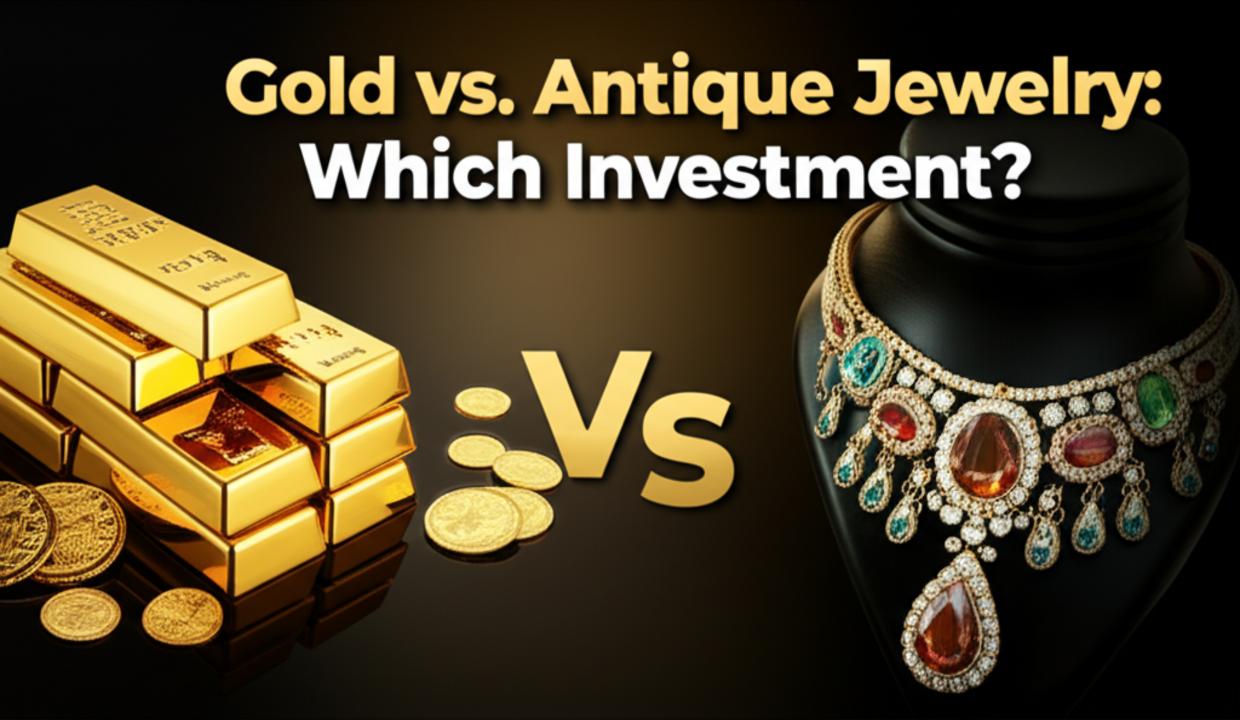
Deciding where to place your hard-earned money is a crucial step for many. When it comes to luxury assets, two shining contenders often emerge: pristine gold and captivating antique jewelry. Both offer unique propositions, but understanding their distinct values is key to making an informed decision. Are you seeking the stable security of a gold jewelry investment, or perhaps the blended financial and emotional returns of an antique jewelry investment? This guide will delve deep into the intricacies of gold vs antique value, offering a comprehensive jewelry investment guide to help you navigate this glittering landscape.
Understanding Gold as a Foundational Investment
For centuries, gold has been revered as a universal store of value. Its allure as a safe-haven investment is undeniable, particularly during periods of economic uncertainty. Gold’s intrinsic value is derived from its precious metal content, making it a reliable asset that maintains stability.
When you invest in gold, whether through bars, coins, or standard bullion, your primary focus is on its metal value and high liquidity. This means it can be easily bought and sold on international markets, offering a straightforward path for wealth preservation and growth. The purity of investment gold, often standardized at 24k or 14k, ensures its consistent valuation globally.
Pure gold investment offers a predictable trajectory, largely influenced by global economic indicators and supply-demand dynamics. It is a tangible asset that is universally recognized and accepted, making it an excellent choice for those prioritizing stability and easy convertibility. For more insights on gold’s market stability, you can explore resources discussing gold as the safest investment with high international values.
The Allure of Antique Jewelry: More Than Just Metal
Stepping into the world of antique and vintage gold jewelry introduces a fascinating blend of financial and aesthetic appeal. Unlike plain gold bullion, antique pieces combine their intrinsic gold content with an extra layer of appreciation. This added value stems from factors like rarity, exquisite craftsmanship, verifiable provenance, and significant historical context.
Imagine a stunning Victorian locket or an intricate Art Nouveau necklace. These pieces often command prices that far exceed their weight in gold alone, precisely because of their uniqueness and captivating aesthetic. An antique jewelry investment is a journey into history, allowing you to own a tangible piece of a past era.
Such jewelry is more than just an asset; it is a timeless asset that reflects artistic movements and cultural trends. Its value can sustain or even increase over long periods, offering a different kind of investment horizon compared to pure gold. The appreciation potential here is deeply tied to the narrative and artistry embedded within each piece.
Beyond Price Tags: The Deep Emotional Value of Heirlooms
One of the most profound aspects distinguishing antique jewelry is its powerful emotional and historical resonance. Many pieces are cherished as family heirlooms, passed down through generations, carrying stories and memories that transcend monetary value. This sentimental attachment is not merely anecdotal; it significantly influences desirability and can compel buyers to pay a premium.
The quest for authenticity and unparalleled craftsmanship also drives the appeal of vintage pieces. In an age of mass production, antique jewelry stands out for its unique character and the artisan’s touch. Modern mass-produced jewelry often lacks this profound connection and intricate detailing, making antique items highly sought after by collectors and those who value heritage.
This emotional depth is a unique component of the gold vs antique value debate, particularly when considering antique pieces. For a deeper understanding of this aspect, you might find an article on sentimental vs. commercial value in antique jewelry insightful.
Market Dynamics: Gold’s Liquidity vs. Antique Jewelry’s Nuances
Understanding the distinct market behaviors of gold and antique jewelry is crucial for any potential investor. While gold is celebrated for its high liquidity, antique jewelry operates on a different rhythm, influenced by specific trends and collector interests.
- Liquidity: Pure gold investment offers exceptional liquidity, meaning it can be quickly converted to cash with minimal fuss, reflecting global gold rates. Antique jewelry, while valuable, has moderate liquidity, heavily depending on current market demand and specific aesthetic trends.
- Price Volatility: Gold’s price fluctuates primarily with global economic factors and currency strength. Antique jewelry’s value, however, is influenced by fashion cycles, rarity, the condition of the piece, and the passion of collectors.
- Investment Time Horizon: Gold can be a viable short to mid-term investment, though many hold it long-term. Antique jewelry almost always requires a long-term perspective; patience is a virtue, as appreciation often accrues over decades.
The market for vintage pieces is dynamic, reflecting shifts in popular styles and increasing awareness of sustainability. These factors play a significant role in how and when a piece might appreciate. Antique pieces represent a sustainable choice, reusing existing resources rather than impacting the environment through new mining operations.
Navigating the Investment Path: Challenges and Considerations
While the allure of antique jewelry is strong, it comes with its own set of challenges that potential investors should be aware of. Unlike the relatively straightforward nature of gold investment, antique jewelry requires a more nuanced approach.
One key consideration is that returns are not instantaneous. The market for antique jewelry fluctuates with fashion trends and buyer interest, meaning appreciation can take time. Demand for specific styles or eras can also be seasonal or highly trend-driven.
Furthermore, maintaining antique pieces may require upkeep, such as cleaning or minor repairs, to preserve their condition and value. Most critically, proper knowledge of a piece’s provenance, authenticity, and maker is paramount. Without this expertise, there is a significant risk of overpaying or acquiring a piece that does not hold its expected value. For more detailed insights on these aspects, consider resources like Is Antique Jewellery a Good Investment?
Current Trends and the Future of Jewelry Investments
The landscape of luxury investments is always evolving, and the 2025 outlook shows interesting shifts. While gold remains a fundamental pillar of investment, there’s a growing appreciation for the unique characteristics of antique and vintage jewelry.
The emphasis on sustainability and ethical sourcing has boosted the appeal of existing, pre-owned pieces. Investing in antique jewelry aligns with a greener approach, promoting the reuse of beautiful objects rather than contributing to new resource extraction. Many patient investors are recognizing that these pieces offer a blend of financial potential and profound personal satisfaction.
This trend underscores why vintage gold jewelry is experiencing more than just a passing moment. It’s becoming a significant part of a diversified portfolio for those who appreciate both its tangible and intangible values. The shift towards conscious consumption also contributes to the rising popularity of these timeless assets. You can read more about why vintage gold jewelry is gaining significant traction.
Making Your Choice: A Comparative Overview
Ultimately, the decision between gold jewelry investment and antique jewelry investment depends on your priorities. Are you seeking maximum liquidity and stable intrinsic value, or are you drawn to the unique blend of financial potential, artistic heritage, and emotional connection?
For gold, the purity levels are standardized, ranging commonly from 14k to 24k. Its value is predominantly its weight and fineness. Antique jewelry, however, often features higher purity gold, with many pieces from past eras crafted in 18k or even 22k. Yet, its value extends far beyond its metal content, encompassing rarity, craftsmanship, and historical significance.
Consider the investment horizon. Gold can be a flexible investment, suitable for various timelines. Antique jewelry typically demands a longer-term commitment, allowing time for its unique attributes to gain recognition and appreciate in the market. Each choice offers a distinct path to building value.
Pros and Cons: Gold vs. Antique Jewelry Investment
| Pros | Cons |
|---|---|
| High liquidity and easy conversion to cash. | Generally low emotional or aesthetic attachment. |
| Stable intrinsic value based on precious metal content. | Value solely tied to global gold rates, less unique appreciation. |
| Reliable as a safe-haven asset during economic uncertainty. | New mining impacts the environment; less sustainable. |
| Combines intrinsic metal value with extra appreciation from rarity. | Lower liquidity compared to bullion, depends on specific demand. |
| Strong emotional and historical meaning, often an heirloom. | Market prices fluctuate with fashion trends and buyer interest. |
| Sustainable reuse of existing resources. | May require upkeep and proper knowledge to avoid overpaying. |
Expert Insights for Your Jewelry Investment Guide
When considering your next steps, experts often highlight the importance of aligning your investment with your personal values and goals. If your priority is pure financial growth and quick liquidation, gold remains the undisputed champion. Its market is transparent and universally understood.
However, if you seek a unique asset that offers both potential financial returns and deep emotional satisfaction, antique jewelry presents a compelling alternative. It allows for a tangible connection to history and art, appealing to those who appreciate beauty and uniqueness alongside monetary value.
According to various financial and jewelry analysts, the trend towards investing in vintage items is gaining momentum due to their distinctiveness and the burgeoning interest in sustainable luxury. This makes an antique jewelry investment an increasingly attractive option for the discerning collector and long-term investor alike.
Frequently Asked Questions (FAQ)
- Is gold jewelry a good investment?
Yes, gold jewelry, especially in its pure bullion or high-karat forms, is widely considered a safe-haven investment. Its value is tied to global gold prices, offering stability and high liquidity. It’s often seen as a reliable store of wealth, particularly during economic instability.
- How does antique jewelry gain value beyond its gold content?
Antique jewelry appreciates due to rarity, exceptional craftsmanship, historical significance, verifiable provenance, and aesthetic appeal. These factors transform a piece from mere gold into a unique work of art and history, often commanding a premium over its intrinsic metal value.
- What are the main risks of investing in antique jewelry?
The main risks include fluctuating market demand based on fashion trends, the need for proper knowledge to assess authenticity and avoid overpaying, and potentially lower liquidity compared to pure gold. Returns are not immediate and often require a long-term investment horizon.
- Which type of jewelry is more sustainable: new gold or antique?
Antique jewelry is generally considered more sustainable as it involves the reuse of existing resources. Opting for vintage pieces helps reduce the environmental impact associated with new gold mining and production, aligning with eco-conscious investment principles.
- Can antique gold jewelry have higher gold purity than modern jewelry?
Yes, many antique pieces were crafted with higher gold purities, such as 18k or even 22k, reflecting historical crafting practices and preferences. Modern jewelry can vary widely in purity, often including lower karats like 10k or 14k for durability.
Conclusion: Your Ultimate Investment Decision
In the grand debate of gold vs antique value, there’s no single “best” answer; rather, it’s about choosing what aligns with your financial goals and personal preferences. A gold jewelry investment offers unparalleled stability, liquidity, and a clear path to wealth preservation, acting as a reliable hedge against economic fluctuations.
Conversely, an antique jewelry investment provides a richer, more multifaceted return. It merges financial potential with profound emotional and artistic satisfaction, allowing you to own a piece of history. While it demands patience and market knowledge, the unique blend of aesthetic appeal, historical significance, and sustainable value makes it an increasingly popular choice for a discerning jewelry investment guide.
Whether you choose the timeless gleam of pure gold or the intricate charm of an antique heirloom, understanding the distinct benefits and challenges of each option is your first step towards a sparkling investment future. We hope this comprehensive guide has illuminated your path. Feel free to share your thoughts in the comments or read other articles on our site for more insights.
Watch More in This Video
For a current and visual overview of the nuances between these options, the YouTube video titled “Investing in Gold vs Antique Jewellery | 2025 Guide” offers compelling insights into market trends, pricing, and emotional considerations. This video further discusses why vintage pieces are gaining popularity among sustainable and patient investors alongside traditional gold safekeeping. #InvestmentGuide
Disclaimer: All images and videos are sourced from public platforms like Google and YouTube. If any content belongs to you and you want credit or removal, please inform us via our contact page. Learn more About Us and connect with us Contact.