
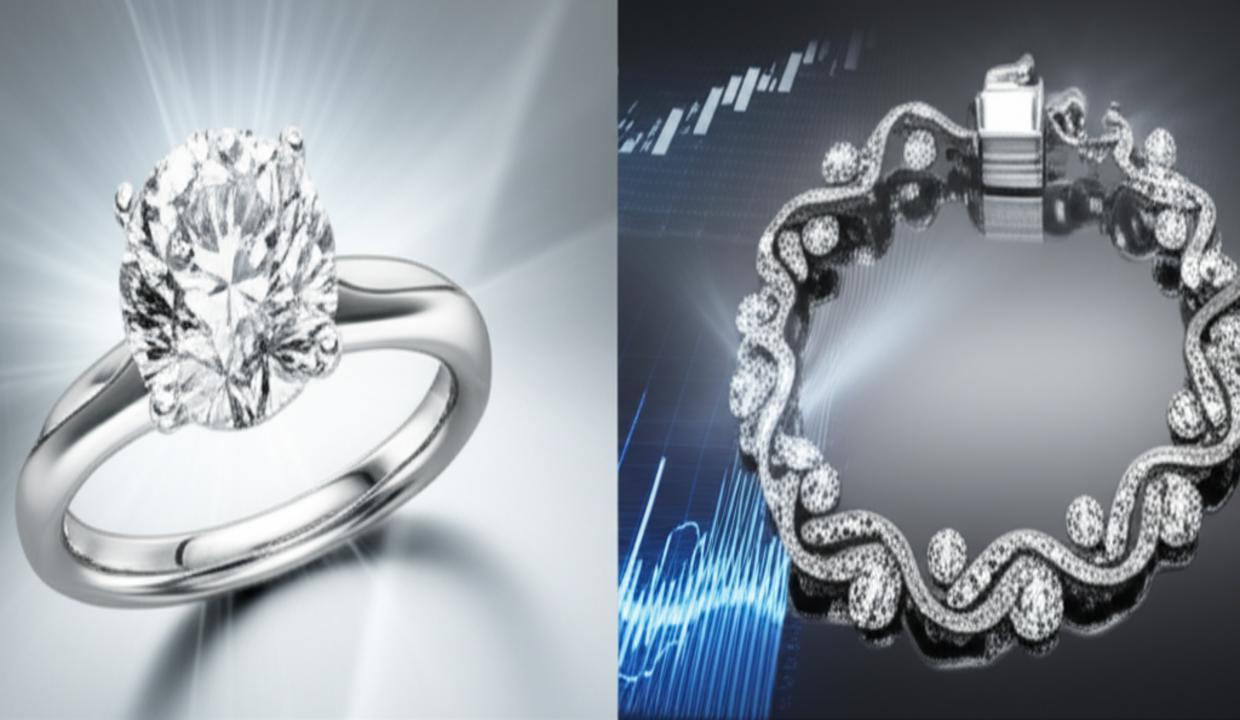
Choosing between platinum and silver for your jewellery can be a delightful dilemma. Both metals offer unique appeals, from their lustrous shine to their distinct properties and, most importantly, their price points. In the world of precious metals, understanding the live jewellery rates is crucial, as market fluctuations can significantly impact your purchase decision. This comprehensive guide will delve into the intricacies of platinum jewellery price versus silver jewellery price, helping you make an informed choice for your next cherished piece.
Whether you are considering an engagement ring, a classic necklace, or a stylish bracelet, knowing the core differences in pricing dynamics, durability, and long-term value between these two beautiful white metals is key. Let’s explore how their current market prices and inherent characteristics stack up in 2025.
Main Highlights: Platinum vs Silver Jewellery Live Rate
When comparing platinum and silver, their live rates are often the first point of contrast. While both are beautiful white metals used extensively in jewellery, their market values, driven by rarity and industrial demand, vary significantly. Understanding these core differences is essential for any discerning buyer.
- Price Point: Platinum consistently commands a much higher price per ounce or gram than silver. This is primarily due to its extreme rarity and complex extraction process.
- Rarity and Supply: Platinum is considerably rarer than silver, with annual global production being a fraction of silver’s output. This scarcity directly contributes to its premium pricing.
- Industrial Demand: Both metals have substantial industrial applications, but platinum’s demand in sectors like automotive catalytic converters and high-tech electronics significantly influences its spot price. Silver also sees strong industrial demand in electronics, solar panels, and medical applications.
- Jewellery Properties: Platinum is prized for its exceptional durability, natural white luster that resists tarnishing, and hypoallergenic nature. Silver, while more affordable and versatile, is softer and prone to tarnishing over time.
- Market Volatility: Both precious metals experience daily price fluctuations based on global economic conditions, industrial demand shifts, and speculative trading. However, platinum’s price can be more susceptible to industrial output and economic growth forecasts.
Understanding Live Jewellery Rates
The concept of “live rates” for precious metals refers to their current market value, which is updated continuously during trading hours. These rates, often called “spot prices,” reflect the immediate cost of buying or selling a precious metal for prompt delivery. For jewellery, the retail price extends beyond this spot price, incorporating fabrication costs, design complexity, brand premiums, and retailer markups.
For precious metals like platinum and silver, their prices are primarily determined on global commodity exchanges. Factors such as supply and demand, geopolitical events, economic indicators, and currency strengths all play a role in these minute-by-minute fluctuations. Consumers interested in purchasing jewellery made from these metals should always consult reliable sources for the most up-to-date spot prices before making a decision.
Platforms like JM Bullion, Silver.com, and The Royal Mint provide real-time price charts that offer invaluable insights into the dynamic nature of these markets. It’s important to remember that the price you pay for a finished piece of jewellery will always be higher than the raw material’s spot price due to the artistry and labor involved in crafting it.
Platinum: The Premium Choice
Platinum stands as one of the most prestigious and coveted metals in the jewellery world. Its appeal goes beyond its lustrous, naturally white appearance; it encompasses a suite of properties that justify its higher price point. Platinum is remarkably dense, making it feel more substantial than other metals of the same size. This density also contributes to its incredible durability.
One of platinum’s most celebrated qualities is its resistance to wear and tear. Unlike gold, which can lose small amounts of metal over time through abrasion, platinum merely displaces it, forming a patina that can be polished back to its original shine. This makes it an ideal choice for everyday wear, particularly for engagement rings and wedding bands that endure constant handling.
Furthermore, platinum is naturally hypoallergenic, making it a perfect choice for individuals with sensitive skin or allergies to other metals like nickel, which is often found in white gold alloys. Its purity, typically 95% (Pt950), ensures minimal allergic reactions. The sustained demand for platinum is also fueled by its critical role in various industries, especially the automotive sector where it’s vital for catalytic converters, and in the production of high-end electronics and medical devices. These industrial demands significantly influence the platinum jewellery price.
As of August 12, 2025, platinum’s live spot price fluctuates as a dollar-denominated commodity. While significantly higher than silver due to its rarity and industrial demand, exact real-time values vary frequently and are tracked through live commodity price charts. You can consult platforms such as Silver.com or The Royal Mint for the latest figures.
Silver: The Versatile and Accessible Option
Silver has been adored for millennia, valued for its brilliant white luster and its remarkable malleability, which allows artisans to create intricate and diverse jewellery designs. It is the most affordable of the precious metals, making it an excellent entry point for many consumers into the world of fine jewellery. Its accessibility means a wider variety of styles and trends can be enjoyed without a significant financial commitment.
The versatility of silver is unmatched. From delicate chains and ornate pendants to bold statement pieces and artisanal crafts, silver jewellery seamlessly blends with various aesthetics and occasions. However, silver, especially sterling silver (which is 92.5% pure silver mixed with other metals, usually copper, for durability), is known for its tendency to tarnish. This oxidation process causes the metal to darken over time, requiring regular cleaning and polishing to maintain its shine.
Despite tarnishing, silver remains a popular choice due to its aesthetic appeal and affordability. Its price is also influenced by robust industrial and investment demand, particularly in sectors like electronics, solar energy, and photography. As an investment, silver is often considered a more volatile asset than gold, with its price movements sometimes mirroring economic conditions and industrial output.
Currently, as of August 12, 2025, silver is priced at about $1.21 per gram, which translates to approximately $37.67 per ounce on live market charts. These prices can experience minor daily fluctuations. For the most accurate and current information, trusted platforms like JM Bullion or Gold Avenue provide up-to-date spot prices.
Direct Price Comparison: Platinum vs. Silver
The most striking difference between platinum and silver for jewellery buyers is their price point. Platinum consistently outprices silver by a substantial margin. This significant gap is a direct reflection of their differing levels of rarity, global supply, and demand from various industrial sectors.
Platinum is estimated to be 30 times rarer than gold and 100 times rarer than silver. The process of extracting and refining platinum is also far more complex and costly. This scarcity means less new supply enters the market annually, contributing to its premium status and higher price per gram or ounce.
While both metals are affected by global economic trends and investment demand, platinum’s price is particularly sensitive to the automotive industry’s health, given its predominant use in catalytic converters. Silver’s price, on the other hand, is influenced by both industrial applications (which account for over 50% of its demand) and its role as a monetary metal and investment vehicle. This duality can sometimes lead to different price trajectories compared to platinum.
Therefore, when you evaluate the jewellery price comparison between these two, silver offers an accessible entry point into precious metal jewellery, while platinum represents a significant investment in luxury and lasting value. Consider your budget and long-term expectations when making your choice.
Factors Influencing Platinum and Silver Prices
The live prices of both platinum and silver are dynamic, influenced by a complex interplay of global economic, industrial, and investment factors. Understanding these drivers helps decipher the seemingly erratic movements on commodity charts.
- Supply and Demand: This fundamental economic principle is paramount. Mining output, recycling rates, and new discoveries impact supply. Demand comes from jewellery, industrial applications, and investment. A surge in industrial use or a dip in mining output can quickly drive prices up.
- Industrial Demand: For platinum, the automotive industry (especially for catalytic converters in internal combustion and hybrid vehicles) is a major price driver. For silver, its extensive use in electronics, solar panels, and medical devices creates consistent industrial demand. Disruptions in these sectors directly affect metal prices.
- Economic Stability and Geopolitics: In times of economic uncertainty or geopolitical unrest, investors often flock to precious metals as a safe haven. This increased investment demand can push prices higher. Conversely, strong economic growth can sometimes divert investment away from metals into more growth-oriented assets.
- Currency Strength: Precious metals like platinum and silver are typically priced in US Dollars. A weaker US Dollar makes these metals cheaper for buyers using other currencies, potentially increasing demand and pushing prices up in dollar terms. A stronger dollar has the opposite effect.
- Inflation and Interest Rates: Precious metals are often seen as a hedge against inflation. When inflation rises, the purchasing power of fiat currencies decreases, making hard assets like silver and platinum more attractive. Higher interest rates, however, can make holding non-yielding assets less appealing.
Staying informed about these broader market trends, alongside consulting investment guides, can provide valuable context for the current live jewellery rates.
Jewellery Value and Investment Potential
Beyond their aesthetic appeal and immediate price, platinum and silver jewellery carry different implications regarding long-term value and investment potential. While both are precious metals, their roles as investments differ significantly.
Platinum Jewellery: Often considered a premium investment, platinum jewellery holds its value well due to the metal’s inherent rarity and durability. Its resistance to wear means that pieces retain their weight and purity over time, making them excellent heirlooms. While the retail price of platinum jewellery includes substantial fabrication costs, the underlying metal’s value tends to be more stable, with potential for appreciation over very long periods. The high melting point and complex refining process mean that platinum scrap value can be higher, though still influenced by market conditions.
Silver Jewellery: Silver jewellery is more about fashion, accessibility, and personal expression than a direct investment vehicle. While the intrinsic value of the silver metal is present, the cost of fabrication and design often represents a larger proportion of the retail price compared to platinum. Due to its lower market price per gram and tendency to tarnish, silver jewellery is typically not bought for its investment potential but rather for its beauty and versatility. However, the price of silver itself can be volatile, offering opportunities for those who buy silver bullion or coins as a direct investment.
Ultimately, when purchasing jewellery, the primary motivation is usually adornment and personal enjoyment. Any potential for investment appreciation is a secondary consideration. Both platinum and silver offer unique benefits, and the “better investment” depends on whether you’re looking at the jewellery piece itself or the raw commodity.
Making Your Choice: Platinum or Silver Jewellery?
Deciding between platinum and silver for your jewellery purchase comes down to a few key considerations: budget, desired durability, aesthetic preference, and potential for allergies.
If your budget allows and you prioritize exceptional durability, a naturally non-tarnishing white metal, and hypoallergenic properties, then platinum is likely the superior choice. It offers peace of mind with minimal maintenance and a substantial feel that many appreciate. For special occasions like engagement rings or heirloom pieces, platinum’s long-term resilience makes it an ideal candidate.
If affordability is a primary concern, or you desire a wide array of design options and the flexibility to frequently update your jewellery collection, silver is an excellent choice. Its brilliant luster, versatility, and lower price point make it accessible to everyone. While it requires more care to prevent tarnishing, this is a minor inconvenience for many given the significant cost savings.
Consider the lifestyle of the wearer. For someone with an active lifestyle or who wears their jewellery daily, platinum’s toughness is a clear advantage. For occasional wear or fashion-forward pieces, silver can be perfectly suitable. Both metals offer a beautiful aesthetic, but their practical differences are what truly differentiate them in the long run. #JewelleryChoices
| Pros | Cons |
|---|---|
| Platinum: Extremely durable; Hypoallergenic; Naturally white, no re-plating needed; Resists wear; Retains value well. | Platinum: Much higher price; Heavier weight; Fewer design options at lower price points; Can develop a “patina” finish over time. |
| Silver: Highly affordable; Wide range of designs; Lightweight; Bright, lustrous finish; Versatile for fashion. | Silver: Prone to tarnishing; Softer, more prone to scratching and bending; Less durable for everyday wear; Less long-term value as an investment piece compared to platinum. |
Comparison Table: Platinum vs Silver Jewellery Rates 2025
To summarize the key distinctions, here’s a direct comparison of platinum and silver, highlighting their attributes relevant to jewellery buyers and current market conditions as of August 12, 2025.
| Feature | Platinum | Silver |
|---|---|---|
| Approx. price per gram | Much higher (exact live varies) | About $1.21/gram ($37.67/oz) |
| Rarity | Rarer, more expensive | More abundant, less costly |
| Industrial demand | High (auto catalysts, glass fiber) | High (electronics, solar, investment) |
| Jewellery properties | Premium, durable, hypoallergenic | Affordable, versatile, more designs |
| Price volatility | Strongly affected by industrial use | Affected by economic & industrial trends |
| Market availability | Limited designs, pricier | Wider design range, more accessible |
FAQ
- Q: Why is platinum so much more expensive than silver?
A: Platinum’s higher price stems from its extreme rarity—it’s significantly scarcer than silver—and the much more complex, energy-intensive process required to mine and refine it. Additionally, high industrial demand, particularly in catalytic converters and advanced electronics, contributes to its premium market value.
- Q: Does platinum jewellery tarnish like silver?
A: No, platinum jewellery does not tarnish. It is a naturally white metal that maintains its luster without oxidizing. While it can develop a soft “patina” finish over time with wear, this is not tarnish and can be easily polished back to a high shine.
- Q: How do I check the live prices for platinum and silver jewellery?
A: To check the most current live prices for raw platinum and silver, you should consult reputable precious metal dealer websites that provide real-time spot price charts. Examples include JM Bullion, Silver.com, and The Royal Mint. Remember that retail jewellery prices will include a premium over these raw metal costs.
- Q: Is silver jewellery a good investment?
A: Silver jewellery is generally not considered a primary investment vehicle. Its lower per-gram price and the significant portion of its retail cost attributed to design and craftsmanship mean that the intrinsic metal value is often a smaller part of the total. While the price of silver bullion can fluctuate, jewellery is typically purchased for aesthetic and sentimental value.
- Q: Which metal is better for sensitive skin?
A: Platinum is generally considered the better choice for sensitive skin. It is naturally hypoallergenic because it is used in a high purity (typically 95%) in jewellery and does not contain alloys that commonly cause skin reactions, such as nickel, which is sometimes found in white gold.
Conclusion
Navigating the choice between platinum and silver jewellery involves more than just aesthetics; it’s about understanding their distinct properties, market dynamics, and ultimately, your personal needs and budget. As of 2025, the live jewellery rates clearly show platinum as the premium, highly durable, and hypoallergenic option, ideal for significant pieces and everyday wear that demand longevity and resistance to tarnish.
Silver, conversely, offers unparalleled versatility and affordability, making it a fantastic choice for fashion-forward pieces, wider collections, and those who appreciate its brilliant shine despite the need for occasional maintenance. By weighing the factors of price, durability, rarity, and personal preference, you can confidently select the metal that best suits your lifestyle and celebrates your unique style. For more information about us, please visit our About Us page, or to get in touch, contact us via our Contact page.
Watch More in This Video
Disclaimer: All images and videos are sourced from public platforms like Google and YouTube. If any content belongs to you and you want credit or removal, please inform us via our contact page.